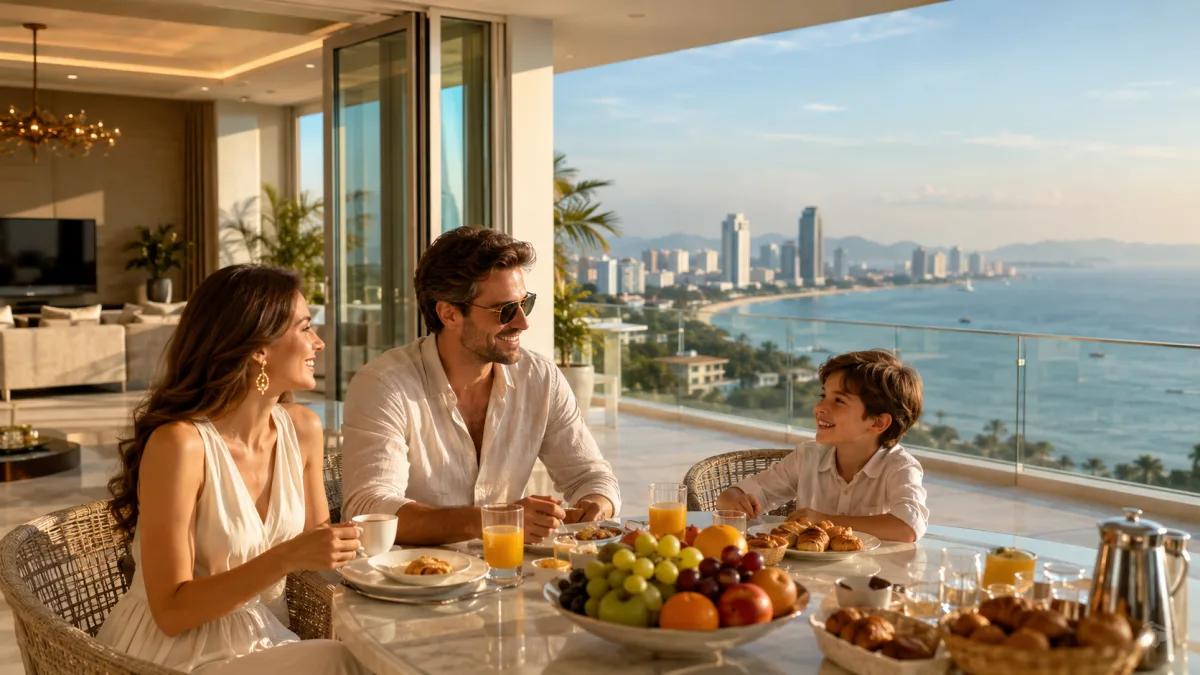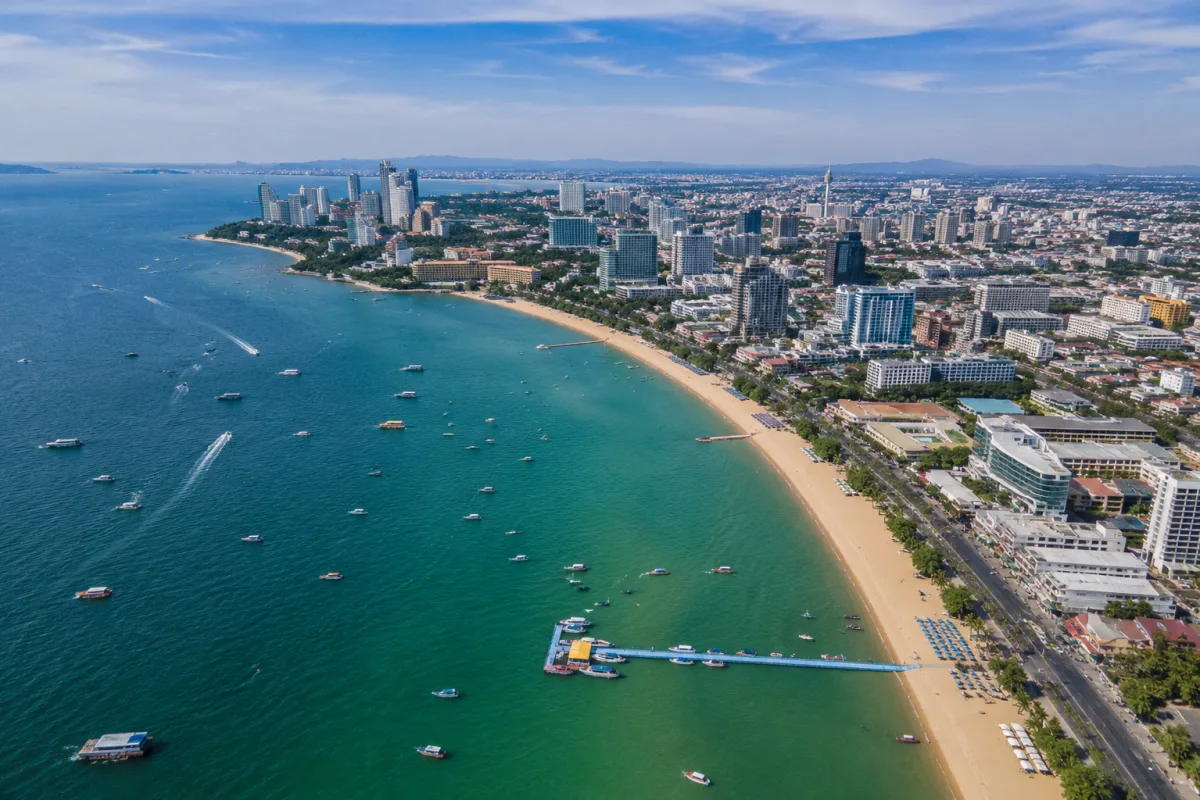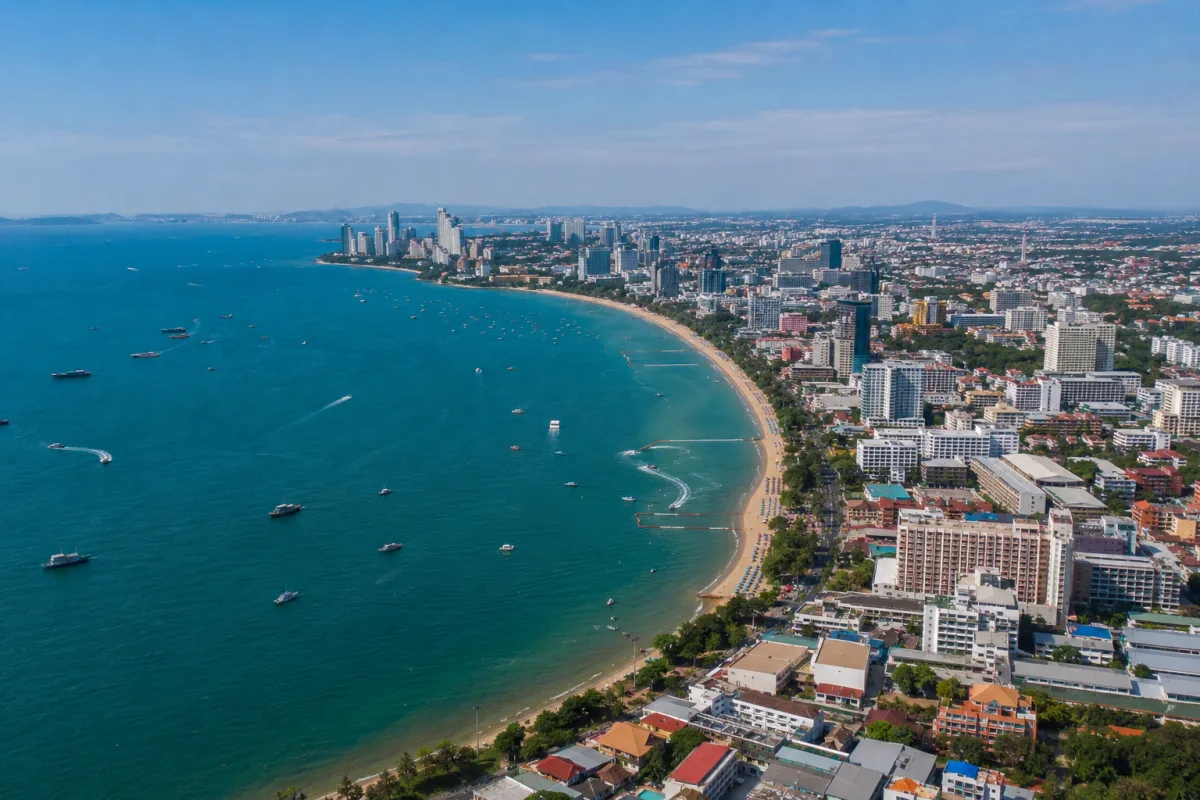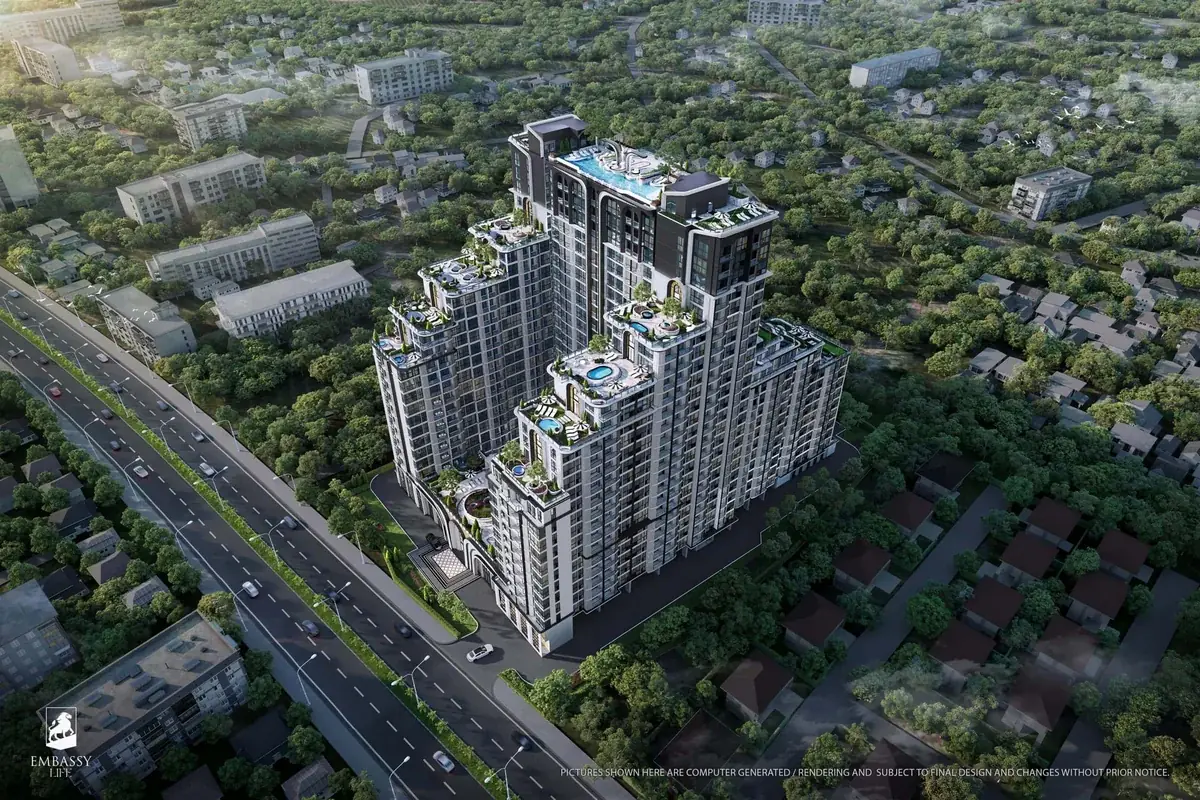
In brief: Families emigrating to Pattaya with children will find a surprisingly broad choice of international schools – from the British curriculum and IB to boarding options. You should realistically budget around 260,000 to 850,000 THB in tuition per child per year (roughly 7,000–22,000 €), plus enrolment fees, bus and uniform. The most family-friendly neighbourhoods are East Pattaya and Jomtien – close to the major schools and offering more space for your money.
Emigrating to Pattaya with Children: What Families Can Really Expect
Over the past few years Pattaya has evolved from a pure holiday destination into an established home for international families. The Eastern Economic Corridor (EEC) is attracting skilled professionals and entrepreneurs, infrastructure is growing, and in the wake of that growth a whole landscape of internationally oriented schools has emerged. For DACH families this means: you do not need to move to Bangkok for a quality education – the offering right here on the Eastern Seaboard is solid.
As a German-speaking agent based here locally, I hear this question almost every week: "Can we realistically move here with the kids?" The answer is a clear yes – with the right planning around school, visa and neighbourhood. That is exactly what this article covers, in a practical way and with concrete figures.
International Schools in Pattaya: An Overview
Unlike in many European cities, there is no state-school solution in Pattaya that satisfies German-speaking families. In practice, expat children here attend international private schools. The most important ones for DACH families are:
- Regents International School Pattaya – part of the Nord Anglia group, British curriculum through to A-Level plus IB Diploma in the sixth form. With its own boarding house, it is one of the most prestigious schools in the region.
- Garden International School (GIS) Eastern Seaboard – British curriculum, well established and popular with families in the greater Pattaya/Sriracha area.
- Tara Pattana International School (TPIS) – British-oriented, smaller and more personal, frequently offering the best value for money in the city.
- Further schools such as the International School Eastern Seaboard round out the options.
The language of instruction is English throughout. There is no fully-fledged German school abroad in Pattaya – the nearest German-language school (RIS Swiss Section, German/Swiss curriculum) is in Bangkok. For most DACH families, however, an English-medium school is precisely the desired outcome: children grow up bilingual, often with German at home as a complement.
Curriculum: British, IB or American?
In Pattaya the British system (IGCSE, A-Level) dominates. It is internationally recognised and makes a later return to Europe or university study anywhere in the world straightforward. Those who value the broader, globally standardised qualification will find the IB Diploma (at Regents) the right upper-school option. One important note if you might return to Germany: seek advice early on recognition of the qualification by the Standing Conference of the Ministers of Education and Cultural Affairs (KMK) – British A-Levels and the IB are generally recognised.
What Does an International School in Pattaya Cost?
Tuition is the largest ongoing expense when emigrating with children. The range is wide and depends heavily on the school and year group – younger year groups are cheaper, senior school considerably more so. Here are concrete reference figures for the 2025/2026 school year:
| School | Curriculum | Annual Tuition (THB) | approx. EUR |
|---|---|---|---|
| Tara Pattana (TPIS) | British | 264,000 – 606,000 | 6,800 – 15,500 |
| Garden International (GIS) | British | approx. 360,000 – 750,000 | 9,200 – 19,200 |
| Regents Pattaya | British + IB | 436,000 – 829,000 | 11,200 – 21,300 |
Converted at approximately 39 THB/€. Across all schools, the day-school range in Pattaya runs from roughly 360,000 to over 1,000,000 THB per year for the most expensive senior-school places. Boarding, where needed, adds approximately 350,000–600,000 THB on top.
Don't Forget the Hidden Additional Costs
The tuition fee itself is only part of the picture. Also budget for:
- Enrolment fee (one-off): at TPIS, for example, 100,000 THB; at other schools often lower. Add an application fee of usually 3,000–7,500 THB per child.
- School bus, lunch and uniform: roughly 90,000–180,000 THB per year combined. At some schools (e.g. TPIS) lunch and books are already included in the tuition – worth comparing.
- Sibling discounts: these are standard. At TPIS, approximately 5% off for a second child, 10% for a third; paying the full year upfront often saves a further 2%.
A family with two primary-school-aged children will realistically land at around 700,000–1,200,000 THB in total education costs per year including extras – a line item that must be firmly factored into the relocation budget.
Enrolment: How the Process Actually Works
The good news: enrolment is straightforward and is usually possible throughout the year, since the school year in Thailand begins in August (with mid-year entry often possible in January too). The typical process:
- Initial contact & tour – most schools offer campus tours and meet-and-greet sessions. Ideally arrange these during a preliminary visit.
- Admissions test/assessment – depending on the year group, an entry test (English, Maths) or a taster day. For younger children it is often just an informal conversation.
- Documents required – most recent school reports (ideally in English), the child's passport and passport photos, vaccination record.
- Contract & fees – once the enrolment fee and first tuition instalment are paid, the place is secured. The school then issues the documents needed for the visa.
My practical tip: apply to two schools simultaneously and visit both in person. Places in popular sixth-form year groups can be limited, especially at Regents and GIS.
Visas for Children and Parents
For a child and family to live legally in Thailand, the correct visa is essential. Two components are relevant:
- ED visa (Non-Immigrant ED) for the child: the student visa is initially issued as a single-entry 90-day visa and extended locally at the Immigration Office – with the school's supporting documents – to one year. The school actively assists with the required paperwork.
- Guardian visa (Non-Immigrant O) for a parent: where a parent accompanies a school-age child, a guardian visa is available – generally for one parent per child. Important: Immigration requires proof of approximately 500,000 THB in a Thai bank account. Both visas are subject to the 90-day reporting obligation.
In many DACH families the main income-earning parent already holds a different visa (for example through a company or the EEC Long-Term Resident programme), while the second parent uses the guardian visa. It is best to have your particular situation checked by a visa service provider specialising in Thailand – the rules are applied slightly differently depending on the Immigration office.
Where to Live with Children? East Pattaya and Jomtien
Your neighbourhood determines your daily quality of life – above all, the commute to school. The major international schools are located outside the centre, towards the east, which is why these two areas are the most popular with families:
East Pattaya: Space, Houses and School Proximity
East Pattaya (around Pattaya Klang/Pong) is the classic family area. Here you will find not just high-rise condos but also villas and townhouses in gated communities (Moo Baan) with shared pools – ideal for children. Schools are often reachable in 10–20 minutes, and price levels are considerably more relaxed than at the beachfront. Many families initially rent a house here and only buy once it is clear the move is a long-term one.
Jomtien & Na Jomtien: Beachside Living with a Family Feel
Those who prefer condo living by the sea will be well served by Jomtien: quieter than Pattaya Beach, a long beachfront promenade and a growing number of modern new-build projects with large pools and children's areas. Off-plan prices here run at around 138,000–220,000 THB/m², and in Na Jomtien slightly less (approximately 115,000–247,000 THB/m²). For a family with children, a two-bedroom unit makes sense – from roughly 180,000–250,000 € in a new development, depending on location and project. A more in-depth neighbourhood comparison is available in our Pattaya neighbourhood comparison.
For families in particular, a new-build condo is often the smart choice: modern safety standards, well-maintained shared facilities, and – for those who buy early in the construction phase – a price advantage of up to 40% compared with the completed price. Which project fits your location, school commute and budget is something we work out together; that is precisely what I am here for. Good starting points are family-friendly developments such as Aquarous Jomtien or a browse through the full project overview.
Rent or Buy – and What Does It All Add Up To Monthly?
My advice to families: rent in the first year, settle in at your own pace, test the school and daily routine – and then buy with a clear strategy. This avoids costly mistakes and gives you time to get to know the area. Those who buy benefit from ongoing market price growth of approximately 3–5% per year and can rent the condo out if they move away later; realistic gross rental yields are around 5–8% p.a. More on this in our article Rental Yields Realistically Explained.
For ongoing living costs for a family – rent, utilities, food, transport – our monthly budget for DACH families provides concrete figures. And anyone wanting to know what buying a property actually costs will find the answer under What a Condo Really Costs.
Day-to-Day Life with Children in Pattaya
Outside school hours, Pattaya impresses with a surprisingly strong family offering: water parks, beaches, riding stables, international sports clubs, large shopping centres with indoor play areas, and a growing German-speaking community. Healthcare is at a high standard through the international private hospitals (e.g. Bangkok Hospital Pattaya) – a good private health insurance policy for the whole family is an essential part of the planning. The tropical climate calls for a degree of flexibility during the rainy season; more on this in our article on the best time to visit and the rainy season.
Frequently Asked Questions About Emigrating to Pattaya with Children
Is there a German school in Pattaya?
There is no fully-fledged German school abroad in Pattaya – the nearest German-language school is in Bangkok. In Pattaya itself, international schools teach in English following the British curriculum or IB. Many DACH families see this as an advantage, because the children grow up bilingual.
How much does an international school in Pattaya cost per year?
Depending on the school and year group, approximately 260,000 to 850,000 THB in tuition per year (roughly 7,000–22,000 €), plus a one-off enrolment fee, bus, uniform and sometimes lunch. Primary school places are cheaper; senior school is considerably more expensive.
What visa do my children need for school?
Children need an ED visa (student visa), which the school supports with the necessary documentation. An accompanying parent can apply for a Guardian visa (Non-O); this generally requires proof of around 500,000 THB in a Thai bank account. Both visas require a 90-day reporting obligation.
Which neighbourhood in Pattaya is best for families with children?
East Pattaya is the classic family area, with houses in gated estates and short commutes to school. Jomtien and Na Jomtien offer quiet condo living by the sea with modern, family-friendly new-build projects. Which location suits best depends primarily on the chosen school.
Should a family rent first or buy straight away?
I recommend renting in the first year, settling into daily life and testing the school, and then buying with a clear plan. Buyers benefit from capital appreciation and can rent the property out if they move away later. We will find the right new-build and the ideal location together.
Are you planning the move with your family and looking for the right home close to a school? Let us have a no-obligation conversation about your situation – school choice, location and budget are closely linked, and that is exactly what I am here for. Reach out via the contact form or get in-depth information first from my free guide. (Note: All prices are indicative reference values and do not constitute investment advice.)
Free Guide
68 pages of Pattaya insider knowledge — download for free