In short: There is no single best place, but there is a best place for your profile. After more than 500 consultations I sort Thailand for retirees like this: Pattaya for everyone who wants sea, first-class hospitals, expat infrastructure and connectivity in one. Hua Hin as the quieter version of the same idea. Chiang Mai for the smallest budget if the sea is expendable. The islands for dreamers, with honest deductions in daily life. This comparison judges by the criteria that matter at 65, not 35.
The five criteria that actually decide
First, medical care, because it gets more important, not less. Second, community: people to share daily life with. Third, reachability, for you and for family visiting. Fourth, the cost of living including housing. And fifth, only then, the postcard: beach, climate, view. Most people choose by criterion five and fail on one to three.
Pattaya: the pragmatic number one
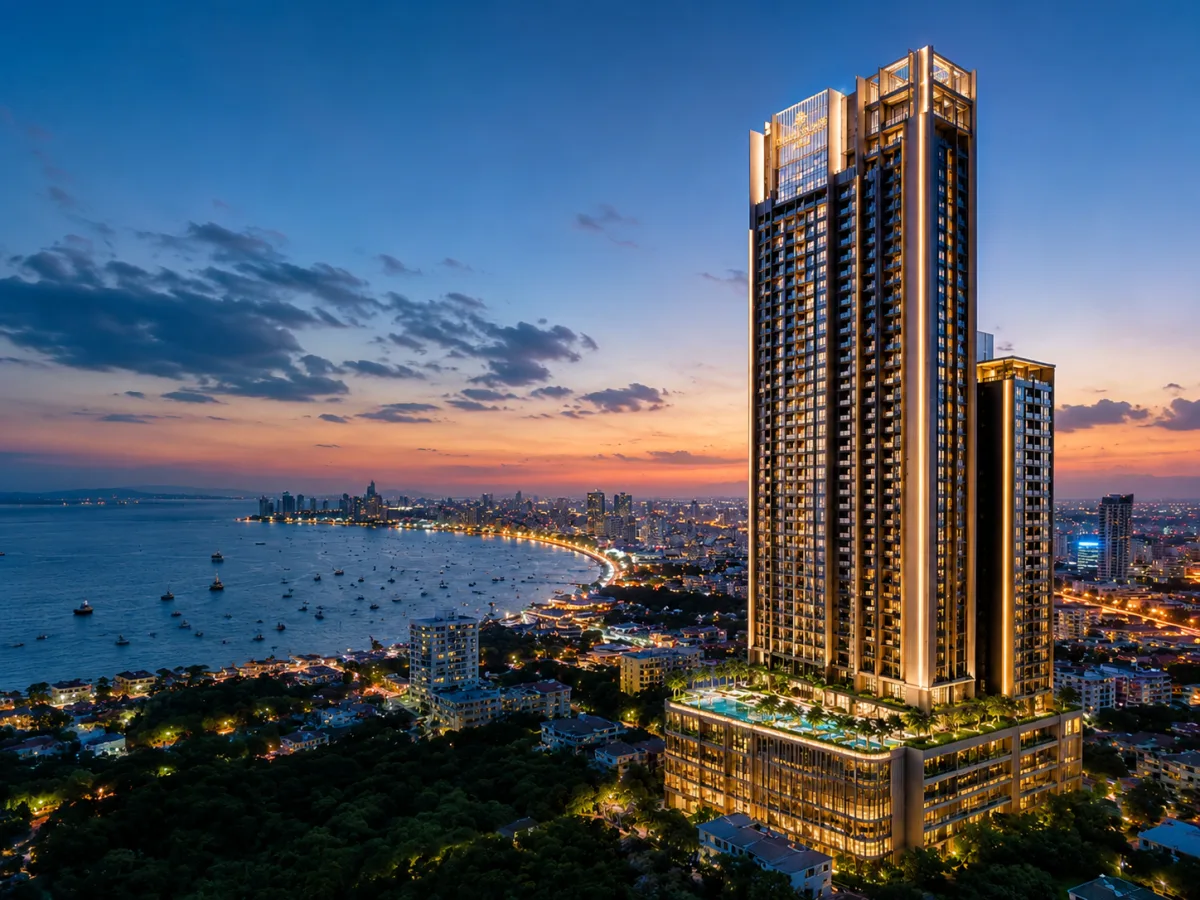
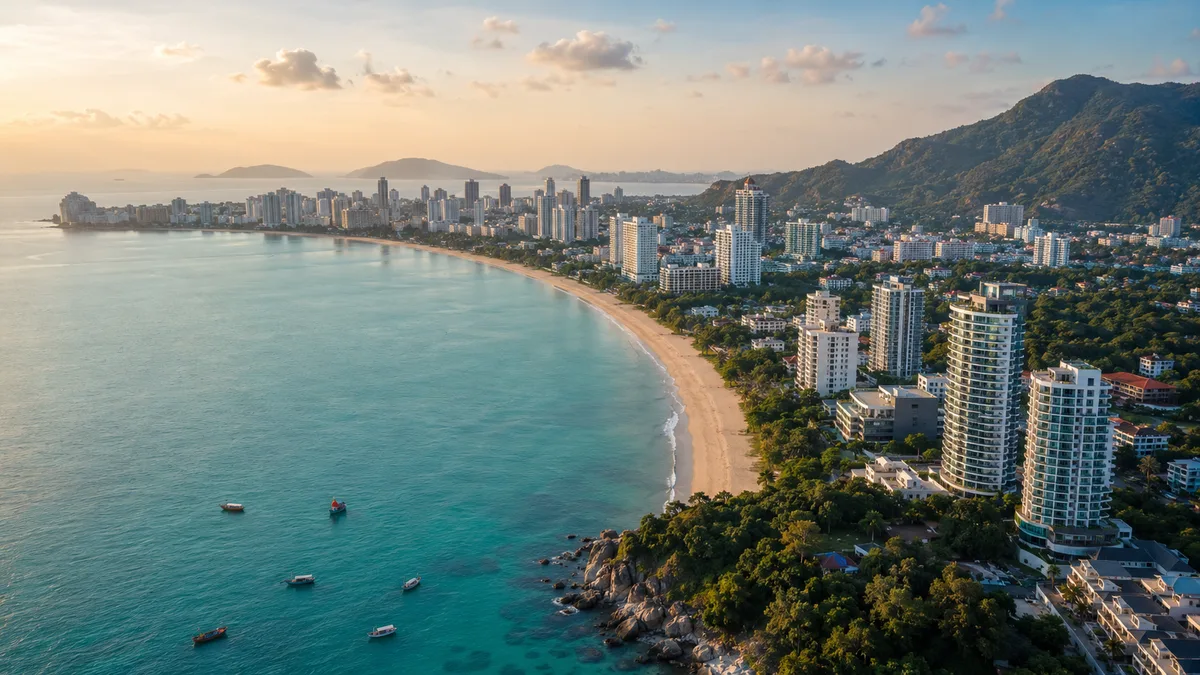
Pattaya wins this comparison with substance, not romance: international private hospitals in town, Bangkok in ninety minutes, the largest Western expat infrastructure in Thailand, and a property market where ownership starts around 2 million THB while a single lives comfortably from 55,000 to 75,000 THB a month. Retirees live in Jomtien, Pratumnak or Naklua, the quiet districts with beach. The daily numbers are in the monthly budget article, the districts on the location map.
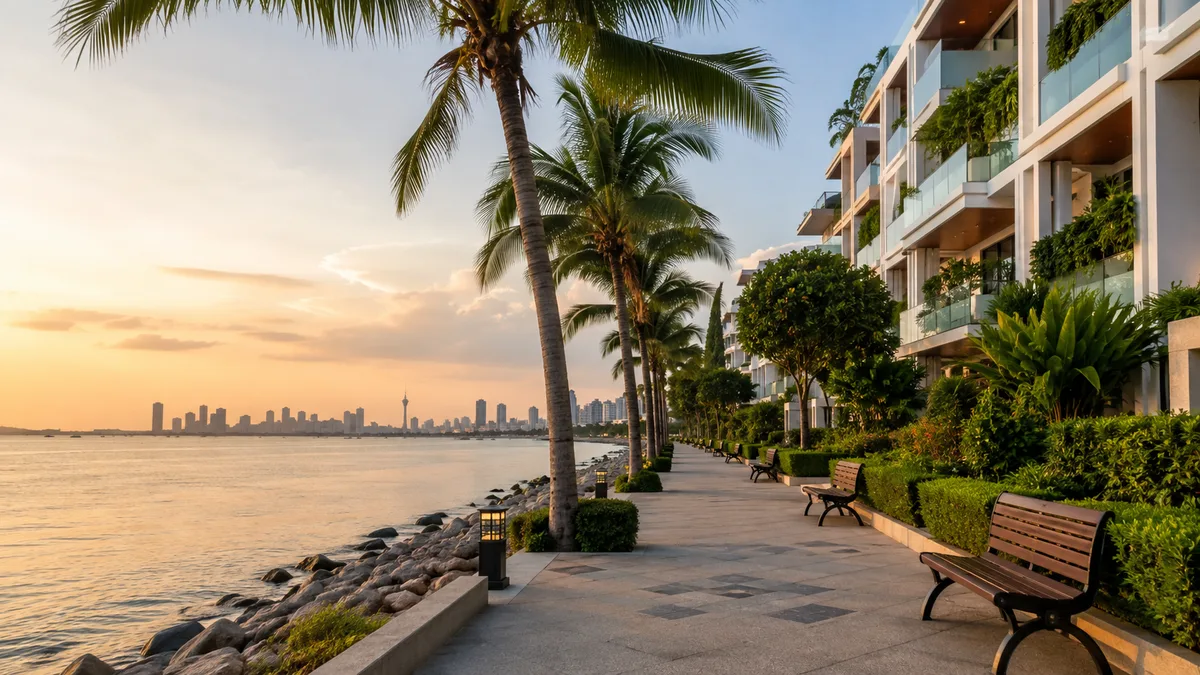
Hua Hin: the same idea, played quieter
Hua Hin is the classic retirement town of Bangkok families themselves: calm, groomed, with a good hospital. Whoever finds Pattaya too lively gets the same base package in a smaller size, with less English- and German-language infrastructure and a smaller property market. Always worth a stop on the decision trip.

Chiang Mai: the budget case without the sea
The north is the cheapest serious option and culturally the richest: temples, mountains, cooler winter nights, a large international expat scene. Two honest objections: the sea is missing entirely, and February and March bring the burning-season air quality problem, exactly when Europeans flee winter.
The islands: dream versus daily maths
Koh Samui and Phuket are beautiful and, in daily life, the most expensive and most cumbersome choice: higher prices for everything, fewer specialist clinics, and every errand or family visit depends on a ferry or a flight. Wonderful as a second home for the best months, a decision you judge differently at 60 than at 75 as your only residence.

The practical path: travel, then rent, then buy
The smart sequence: a decision trip with two or three stops, a rental year at the favourite, then the purchase. For Pattaya that means renting from about 13,000 THB a month, the retirement visa with 800,000 THB or 65,000 THB monthly income, and once the decision stands, freehold ownership, from 3 million THB optionally with the property-based residence route. Whether your capital carries it all is calculated honestly in Retire in Thailand with 1 Million or 500k?.
Frequently asked questions
Which place in Thailand is best for retirees?
For most Western retirees: Pattaya, for its combination of sea, international hospitals, the largest expat infrastructure in the country and proximity to Bangkok. Hua Hin is the quieter alternative with a similar profile, Chiang Mai the cheapest choice without the sea. The islands are holiday places that get impractical as a permanent home in old age.
Why is hospital access so decisive?
Because it decides the location question in old age, not the beach. In Pattaya you reach international-standard private hospitals in minutes; on an island an emergency means a boat or a flight. Answer this question before the one about the view.
Is Pattaya not too loud for retirement?
The centre yes, the residential districts no. Retirees live in Jomtien, Pratumnak, Naklua or East Pattaya, quiet areas with markets, beach and neighbours. If you only know Pattaya from Beach Road, you have not seen the residential side of the city.
How expensive are the different places?
The differences are smaller than expected: Chiang Mai is cheapest, Pattaya and Hua Hin sit in the middle, the islands cost the most. In Pattaya a single lives comfortably from about 55,000 to 75,000 THB a month and ownership starts around 2 million THB. On Koh Samui the same life costs noticeably more.
Can I simply stay long-term as a retiree?
Yes, with the retirement visa from age 50: 800,000 THB in a Thai account or 65,000 THB monthly income, renewed annually with 90-day reporting. Since October 2025 buying a completed condo from 3 million THB opens an additional property-based residence route.
My verdict
Choose the place by the life you will lead, not the holiday you once had. For most Western retirees that calculation leads to Pattaya, for peace-seekers to Hua Hin, for the budget-minded to Chiang Mai, and the islands win the heart while daily life argues against them. In the end the site visit decides, and I am happy to organise it.
How I can help
I am Alexander Reifenschneider, a German-speaking real estate agent in Pattaya since 2018, more than 500 consultations. I show you the retiree districts away from the tourist trail, run rent versus buy with you and accompany you to registration at the Land Office, free of charge for buyers. Start with the moving guide or buying property in Pattaya.
Free guide
68 pages of Pattaya insider knowledge, free download