In short: Off-plan in Pattaya is more legally secure today than ever before: since 31 January 2025, OCPB buyer protection has shielded buyers from unfair clauses and arbitrarily withheld deposits. Anyone who chooses an established developer with a proven track record, an escrow account, and protective clauses such as a late-completion penalty, a refund provision, a fixed Baht price and a binding completion date keeps the risk to a minimum. Realistic new-build prices range from 110,000 to 250,000 Baht/sqm; an independent English-speaking lawyer should review the contract.
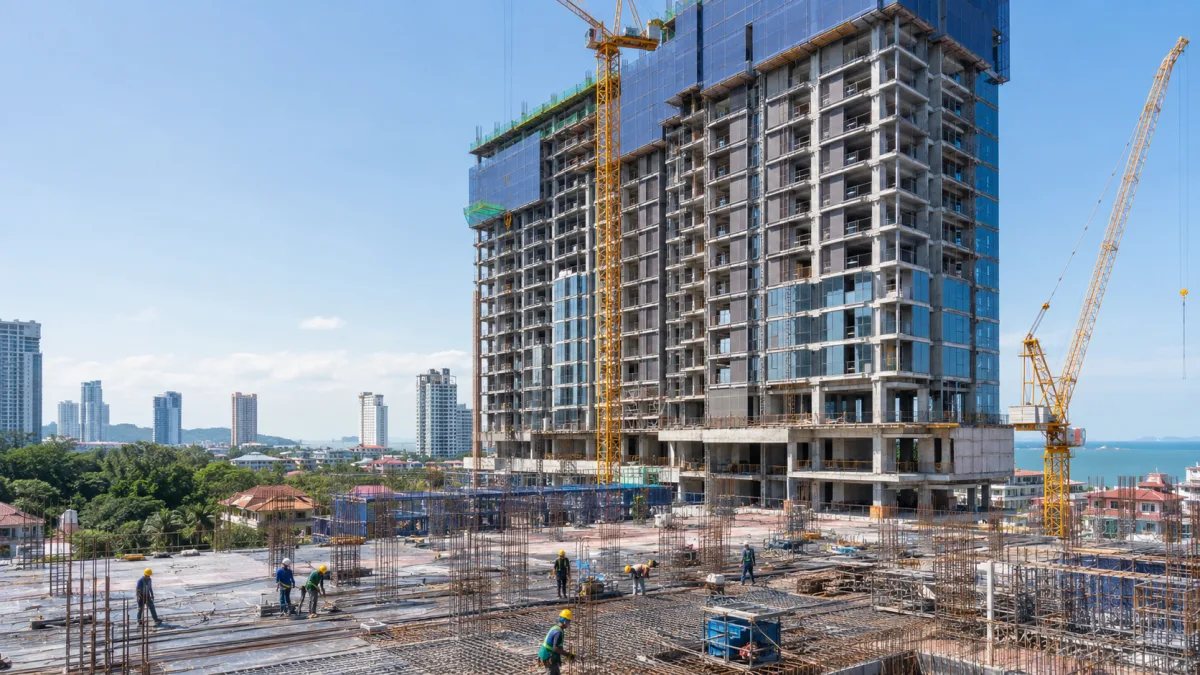
Buying off-plan, meaning purchasing during the construction phase, is the most popular option for international investors in Pattaya, and for good reason: an interest-free payment plan, the newest building fabric, attractive entry prices. Yet there is one question smart buyers rightly ask: what happens if the developer goes bankrupt or fails to complete the project? It is a legitimate question, and it has clear answers.
In this article I answer it honestly. How real the insolvency risk actually is, what the new OCPB buyer protection has delivered since 2025, what role escrow plays, and how to vet a developer so thoroughly that you can sleep soundly. With this preparation, a theoretical risk becomes a thoroughly manageable point. Let me say upfront: I work exclusively with vetted, established developers, and that selection itself is the first and most important safeguard.
Free Guide
68 pages of Pattaya insider knowledge, download for free
Understanding the off-plan risk honestly
Let us be honest: when you buy off-plan, you as the buyer help finance the project and therefore carry a certain degree of risk. In the theoretical worst case, if a developer becomes insolvent and fails to complete the project, payments already made could be at risk, provided they went directly to the developer and were not otherwise secured.
That is the uncomfortable truth some agents keep to themselves. I tell it to you openly, because only then is a well-informed decision possible. The good news: this risk can be reduced to a minimum through the right choice of developer, the new statutory buyer protection and smart contract drafting. That is exactly what this article is about.
- A reputable, established developer with a track record
- OCPB buyer protection since January 2025
- An escrow account, where available
- Protective clauses in the sales contract (delay, refund)
OCPB buyer protection since 2025
The most important improvement of recent years is the expanded buyer protection provided by the Office of Consumer Protection Board, or OCPB for short. Since 31 January 2025, standardised rules have applied to the controlled reservation contract, harmonising the Thai contract form and banning unfair clauses. These rules continue to apply in 2026.
Since 2025, off-plan in Thailand has been more legally secure than ever before. That is a genuine turning point for international buyers.
Alexander ReifenschneiderIn concrete terms, the new rules protect off-plan buyers from, among other things, the arbitrary withholding of deposits. If a buyer has to withdraw for legitimate reasons, for example because the developer significantly delays the completion date or fails to meet agreed quality standards, the hurdles for a refund are considerably lower than before the reform. Combined with the Condominium Act, this creates a level of protection that can genuinely hold its own against European markets. There is more on this in my off-plan guide.
Escrow: the strongest protection, and why it is rare
The strongest conceivable protective instrument is an escrow account, that is, a trust account. With it, your instalment payments do not flow directly to the developer but into a neutral escrow account and are only released once specific construction milestones are reached. If the developer goes bankrupt before delivering, your money is protected.
Escrow is legally permitted in Thailand, but in practice it is unfortunately not yet the norm. The reason: developers need the ongoing payments to finance construction and therefore rarely offer escrow solutions of their own accord. However, when a project does offer genuine escrow for the instalment payments, that is a strong plus and demonstrably lowers the risk.
My advice: actively ask about an escrow option. And even if it is not available, the risk can be managed well through the choice of developer and the contract clauses, as I will show in a moment.
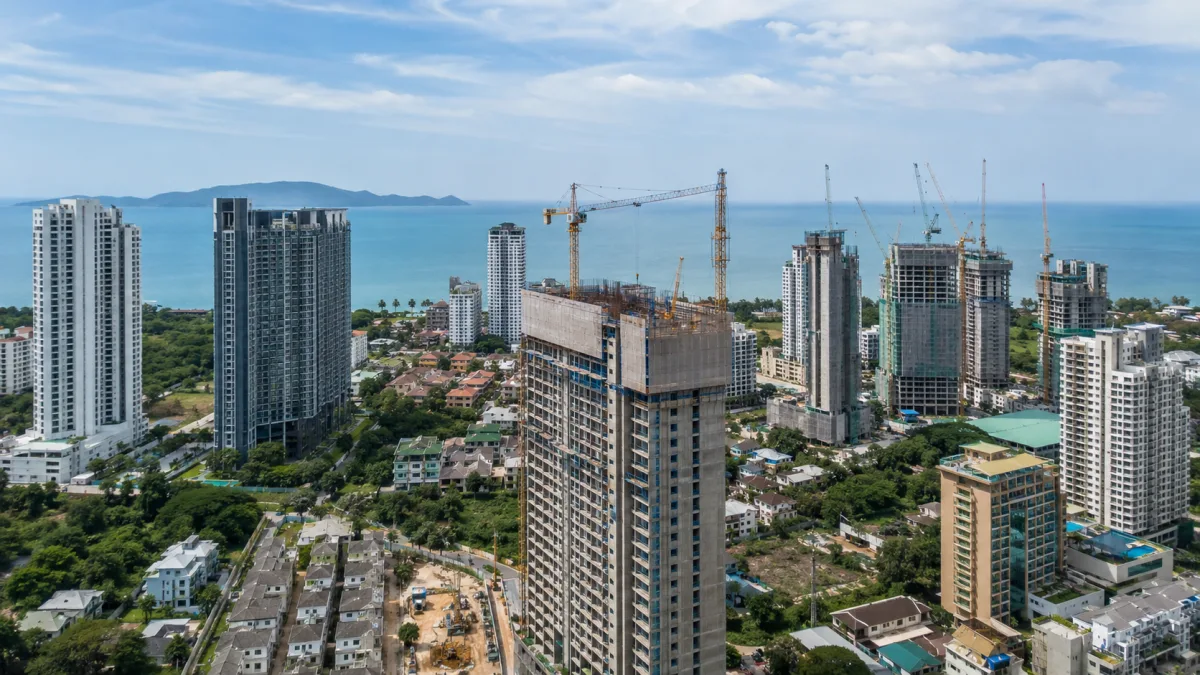
Vetting the developer properly
By far the most important safeguard is choosing a reputable developer. An established developer with a long success record will not simply let an ongoing project fail, because their reputation and their entire business depend on it. Here is how I vet a developer.
| Check | What to look for |
|---|---|
| Track record | How many projects have already been completed and handed over? |
| Inspect finished projects | Do quality and promises match up in completed buildings? |
| Financial strength | Is the developer established, ideally listed or part of a large group? |
| Punctuality | Were earlier projects handed over on time? |
| Reputation | What do previous buyers and the local industry say? |
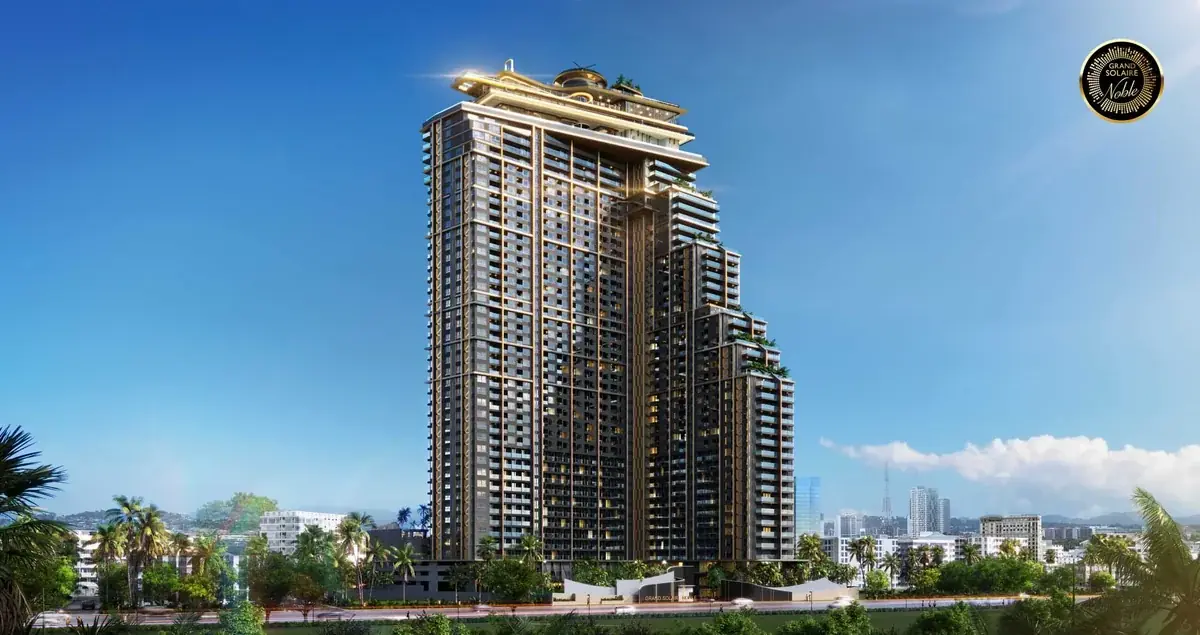
This vetting is exactly what I take off my buyers' shoulders. I have worked with the same established developers for years and know them personally. Current projects with an excellent track record include the Grand Solaire Pattaya and Zenith Pattaya 2.
Protective clauses in the sales contract
The contract itself also offers protection, when it is drafted correctly. These are the points you should look out for.
Late-completion clause. A good contract includes a penalty payment in case the developer significantly overruns the completion date. This imposes discipline and compensates you in the event of a delay.
Refund clause. It should be clearly set out under what circumstances you can withdraw and reclaim your payments. Thanks to the OCPB rules, this is now more buyer-friendly than it used to be.
Fixed price and handover date. The purchase price is fixed in Baht, and a binding handover date should be agreed, not just a vague declaration of intent.
Have the contract reviewed by an independent, English-speaking lawyer before you sign. That is money well spent, and I am happy to connect you with a suitable lawyer.
Warning signs to watch out for
A few signs should make you prick up your ears.
An unknown developer with no history. Anyone who cannot show completed projects is a higher risk.
Strikingly low prices. If an offer is well below the market level of comparable projects, you should look closely. Realistic new-build prices range, depending on location, from 110,000 to 250,000 Baht per square metre.
Pressure and haste. Reputable developers and agents do not put you under time pressure. Anyone who pushes often has something to hide.
Unwillingness to allow a legal review. If someone makes an independent review of the contract difficult, that is an alarm signal.
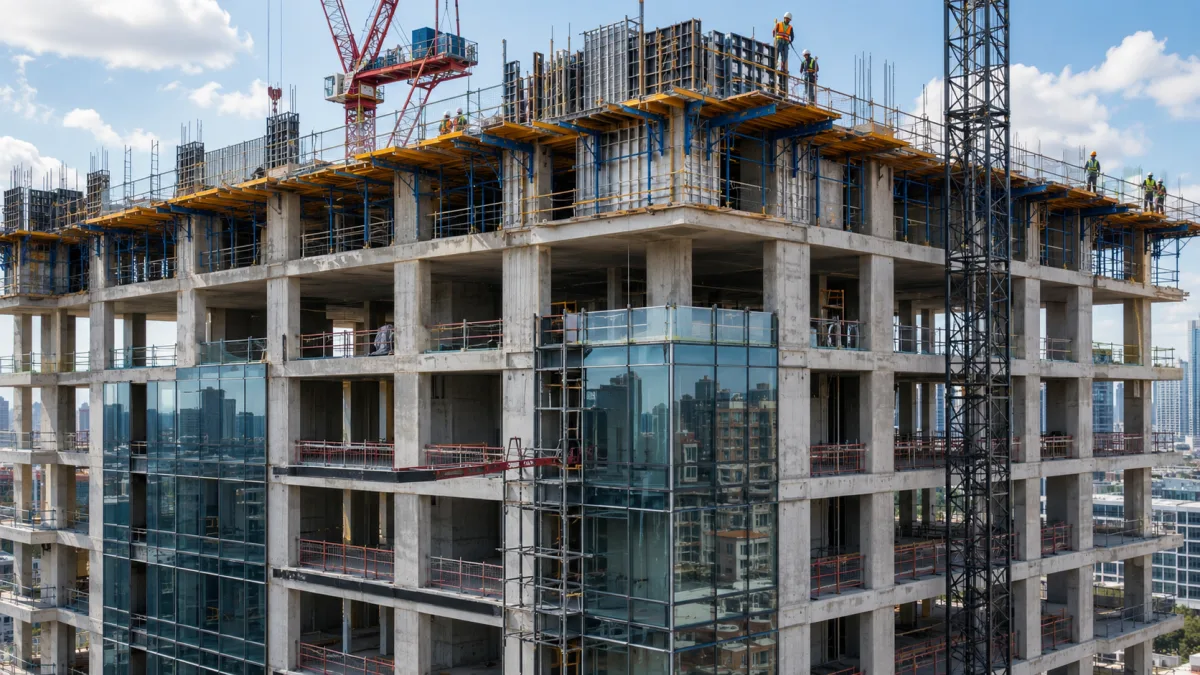
How to buy off-plan safely
Let us sum up how to reduce the risk to a minimum.
1. Choose an established developer. The single most important safeguard. Track record, finished projects, financial strength.
2. Use OCPB protection. Look out for the standardised, controlled reservation contract.
3. Ask about escrow. Where available, it is a strong plus.
4. Have the contract reviewed. Late-completion and refund clauses, a fixed price, a handover date, reviewed by an independent lawyer.
With this preparation, off-plan in Pattaya is a safe and attractive investment today. In my free Pattaya property guide you will find a developer overview. A no-obligation initial consultation is free for buyers. I will guide you through the entire review process.
Frequently asked questions
More on buying property in Pattaya