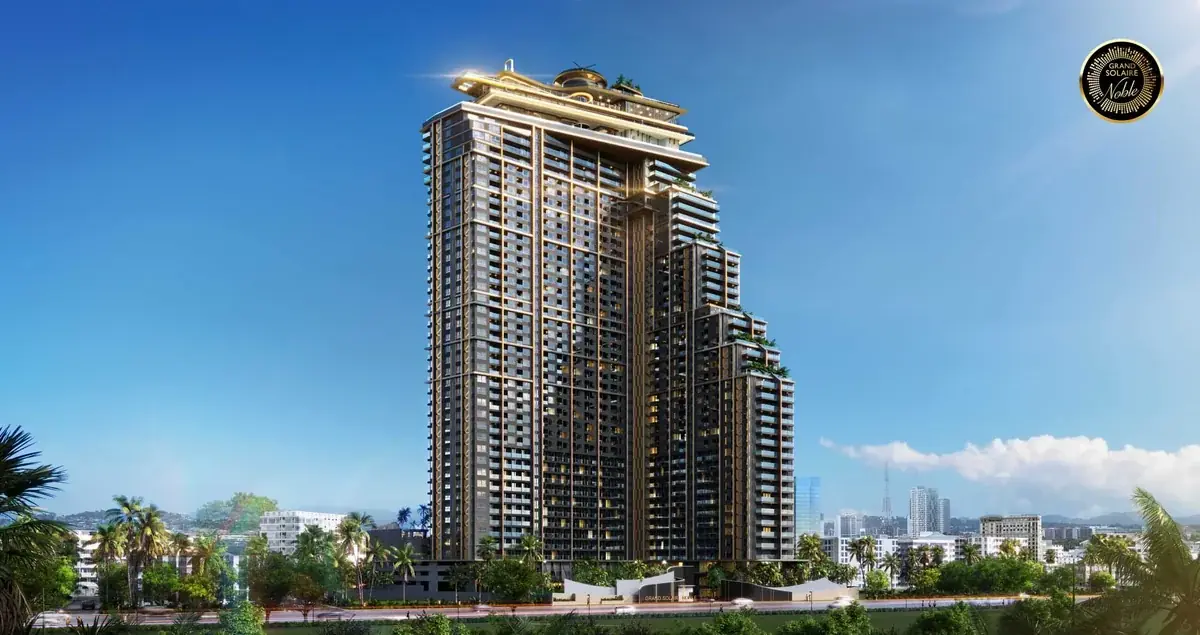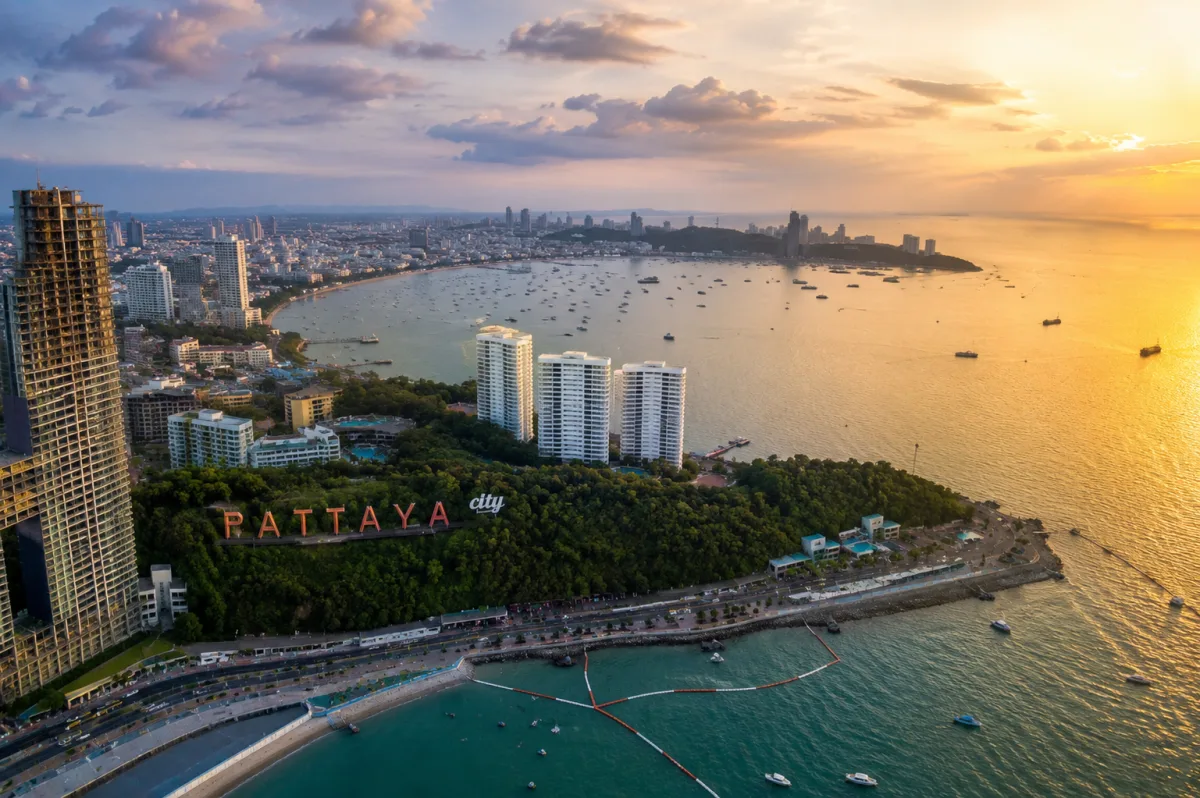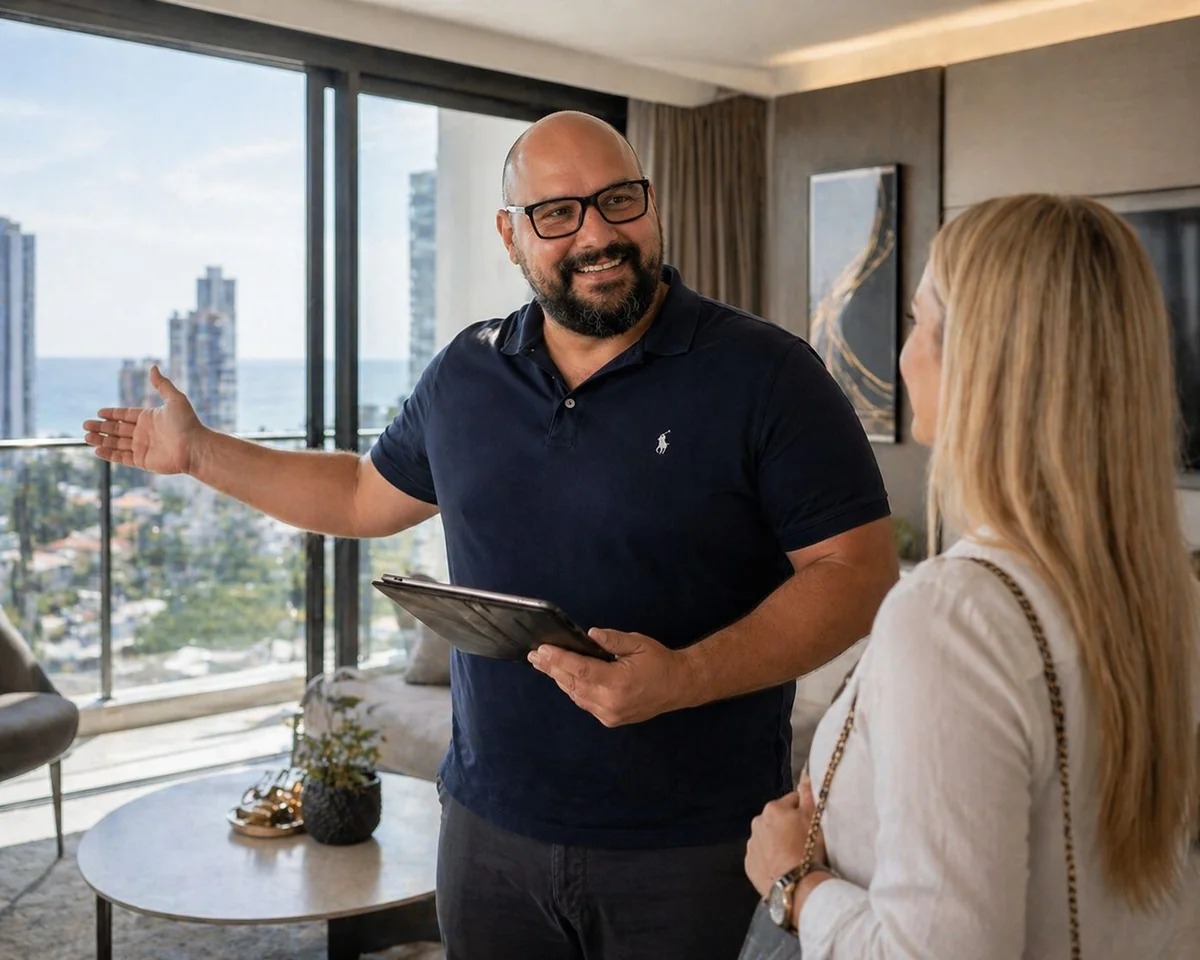
In short: As a foreigner, you can own a condo unit in Pattaya directly and indefinitely in your own name, within the so-called foreign freehold quota. Land, and therefore a classic house, may not be acquired directly by foreigners in Thailand; this is only possible via a 30-year leasehold or a Thai company. This very legal distinction is the most important point in the decision, and for most of my DACH clients, the condo is therefore the safe choice.
I hear this question almost every week: "Alexander, should I take a condo or go straight for my own little house with a garden?" I understand the appeal, anyone in Germany, Austria or Switzerland thinking about property usually pictures a house. In Thailand, however, the legal situation is different, and that changes the whole calculation. I have been supporting German-speaking buyers on the ground in Pattaya since 2018, and I want to explain honestly here what really matters, without any sugar-coating.
The Decisive Difference: Ownership of the Land
In Thailand there are two completely different legal bases, depending on whether you buy an apartment or a house. This is not a detail, but the very core of the whole question.
A condo unit falls under the Condominium Act (B.E. 2522). This law expressly allows foreigners to hold apartments in their own name as genuine ownership (freehold), with a single limit: per building, foreigners may collectively own a maximum of 49% of the total saleable floor area. This is the famous "foreign freehold quota". Your ownership is registered with its own title deed (Chanote) in your name at the Land Office.
A house or villa, on the other hand, sits on land, and land falls under the Land Code. There it is unambiguous: foreigners are generally not permitted to own land directly in Thailand (Section 86). You could theoretically own the building itself, but not the ground on which it stands. This is precisely where it gets complicated.
With a condo you buy genuine ownership in your own name. With a house you only ever buy a right to use the land, legally that is an entirely different world.
How Foreigners Can Still Get a House, and Where the Pitfalls Lie
Because foreigners may not own land, there are two routes to a house in practice. Both have their snags, and you should know about both before someone sells you a "dream home".
1. The 30-Year Leasehold
You lease the land by registered contract for up to 30 years. This is legal, clean and recorded at the Land Office. You thereby have a secured right of use, but not ownership. It is often advertised as "30 + 30 + 30 years, i.e. 90 years". Here it is my duty as your agent to be honest: renewals are not legally guaranteed. Every renewal is a new contract that depends on the owner's willingness in 30 years' time. Thailand's Supreme Court has confirmed several times that such renewals are not automatically enforceable. So plan realistically for 30 years, anything beyond that is a bonus, not a certainty.
2. The Thai Company
The second route is a Thai limited company that holds the land and in which you, as a foreigner, may hold a maximum of 49%. Here I have to be even clearer: if the Thai majority shareholders serve merely as nominees and have no genuine economic interest, this is illegal, under both the Land Code and the Foreign Business Act. And as of 2026, such structures are being actively pursued: in recent years there have been criminal proceedings, seizures and company dissolutions. A company whose sole purpose is to hold a house for a foreigner is therefore not a "tax trick" but a real risk.
My honest conclusion from practice: if someone absolutely wants a house, the clean, registered leasehold is the only route I can recommend with a clear conscience, with clear eyes about the 30-year limit.
The Advantages of the Condo at a Glance
For the great majority of my clients from the DACH region, the condo is the first choice for good reason. Here are the points that really count in practice:
- Genuine ownership in your own name: Within the foreign freehold quota, the apartment truly belongs to you, sellable, inheritable, rentable, with no expiry date.
- A clear legal position: No company structure, no grey area, no annual accounting obligations of a company.
- Management included: A professional property management company takes care of the pool, security, cleaning and maintenance of the common areas. You pay a monthly common-area fee for this, but you don't have to take care of anything yourself, ideal if you are not on site all year round.
- Amenities: Pool, gym, security service, often a lobby and co-working space, things you would have to finance and organise yourself with a standalone house.
- Better rentability: Tourists and long-term tenants in Pattaya predominantly ask for condos in good locations. More on this below.
You can see which new-build projects are currently available in foreign freehold in my continually updated overview of new-build projects. And if you would like to compare two specific apartments, my comparison tool helps you place prices, features and location directly side by side.
The Advantages of a House and Villa, Fairly Considered
So that you don't misunderstand me: a house has real merits, and there are buyers for whom that is exactly the right choice.
- Space and a garden: More living space, your own outdoor area, often a private pool, you won't get that in any condo.
- Privacy: No neighbours wall to wall, no shared lift, more peace and quiet.
- Freedom to design: You can remodel and adapt without having to ask a co-owners' association.
- Good for permanent living: Anyone planning to live in Thailand year-round with their family often feels more comfortable in a house.
Set against this, however, are the ongoing duties: you have to organise and pay for the garden, pool, security and repairs yourself. With a villa, this can quickly add up to several tens of thousands of baht a year. And over it all hangs the legal question of the land that we discussed above.
Costs and Additional Purchase Expenses
When it comes to the additional purchase costs, condo and house differ less than many think, the decisive factor is the fees at the Land Office (incidentally, there is no notary in Thailand; the transfer of ownership runs directly through the Land Office, and the decisive document is the sales contract with the developer). As of 2026, the following typically apply:
- Transfer Fee: 2% of the official assessed value or purchase price (whichever is higher). It is usually split between buyer and seller, but this is a matter for negotiation. Note: a temporary reduction to 0.01% applies only to Thai citizens, not to foreign buyers.
- Specific Business Tax (3.3%) or Stamp Duty (0.5%): legally borne by the seller; only one of the two applies.
- Withholding Tax: also the seller's responsibility, the amount varies.
An important point for foreigners that applies equally to condos and house leaseholds: the purchase money must be transferred into Thailand in foreign currency. The bank issues an FET form (Foreign Exchange Transaction) for this, which you must present at the Land Office. With a developer new-build (off-plan), this process is usually particularly well organised, I guide you through it step by step.
For anyone who wants to work out what's left at the bottom line, I recommend my investment calculator, there you can see returns, payment plan and additional costs transparently in euros and baht.
Resale, Liquidity and Rental Yield
This, for me, is where the strongest factual argument for the condo shows itself, and I say that as someone who looks after both worlds.
Resale: A foreign freehold condo is significantly easier to sell. The buyer takes over clear ownership, and the process is routine. With a house, a foreign onward buyer has to solve the same leasehold or company question all over again, this noticeably narrows the pool of buyers and makes resale more sluggish.
Rental yield: Well-located condos in Pattaya typically achieve around 6 to 8% gross per year, with professionally managed premium projects sometimes 8 to 10%. Villas, at roughly 5 to 8% gross, often sit below this, and because the running costs (pool, garden, security) are high, the net return shrinks further. For pure cash flow, the condo is therefore usually the more efficient choice.
Many of my clients from Germany and Austria who initially "actually wanted a house" deliberately decide, after this calculation, on one or two condos in the end, more security, less effort, better rentability. I explain the background and locations in detail in my comprehensive guide to buying property in Pattaya.
Important: You Are Buying Ownership, Not Residency
One misunderstanding I often have to clear up: owning a condo unit has nothing to do with your visa. You don't need a visa to buy in Thailand, ownership rights and residency status are two separate things in Thailand. The visa governs how long you are allowed to stay; the condo belongs to you regardless. This separation is particularly reassuring for DACH buyers who at first only spend the winter months on site and feel their way forward step by step.
My Honest Recommendation
For the vast majority of my German-speaking clients, the condo in foreign freehold is the safe, clear and uncomplicated choice: genuine ownership in your own name, a clean legal position, good rentability and easy resale. A house can be the right thing if you live on site permanently with your family, need plenty of space and privacy, and consciously accept the reality of the leasehold. What I never recommend is a questionable company structure simply to get around the ownership barrier.
Because detailed rules can change, my principle is always: check the current regulations in advance, I support you with this and tell you honestly what applies as of 2026 and what does not.
Frequently Asked Questions
As a German, Austrian or Swiss citizen, can I buy a condo in Pattaya in my own name?
Yes. Within the foreign freehold quota (a maximum of 49% of the floor area per building) you can acquire a condo unit as genuine ownership in your own name and have it registered at the Land Office. This applies equally to citizens of Germany, Austria and Switzerland.
Why am I not allowed to buy a house with land as a foreigner?
The Thai Land Code generally prohibits foreigners from directly acquiring land. You could own the house itself, but you can only use the land beneath it via a registered leasehold (up to 30 years) or a Thai company. Pure nominee companies are illegal and are being actively pursued as of 2026.
Is a 30-year leasehold really renewable up to 90 years?
No, that is not guaranteed. The first 30 years are legally secured. Every renewal is a new contract and depends on the landowner's willingness in the future. Thailand's Supreme Court has confirmed that renewals are not automatically enforceable.
Do I need a visa to buy a property in Pattaya?
No. Ownership and residency are separate in Thailand. You can buy without holding a particular visa. The visa only governs how long you are allowed to stay in the country, not whether the condo belongs to you.
Which delivers more rental yield at the bottom line, a condo or a house?
In practice, usually the condo. Well-located apartments in Pattaya often achieve 6 to 8% gross, premium projects sometimes more, with comparatively low running costs. Villas have higher operating costs (pool, garden, security), which noticeably reduces the net return.
If you are unsure whether a condo or a house suits your situation, let's look at it together, calmly and with no obligation. Just message me on WhatsApp or via the contact form. The consultation is free, and my on-site support in German is in any case commission-free for you as a buyer (0% buyer's commission), with a new build, the agent's commission is paid by the developer.
Free Guide
68 pages of Pattaya insider knowledge, download for free