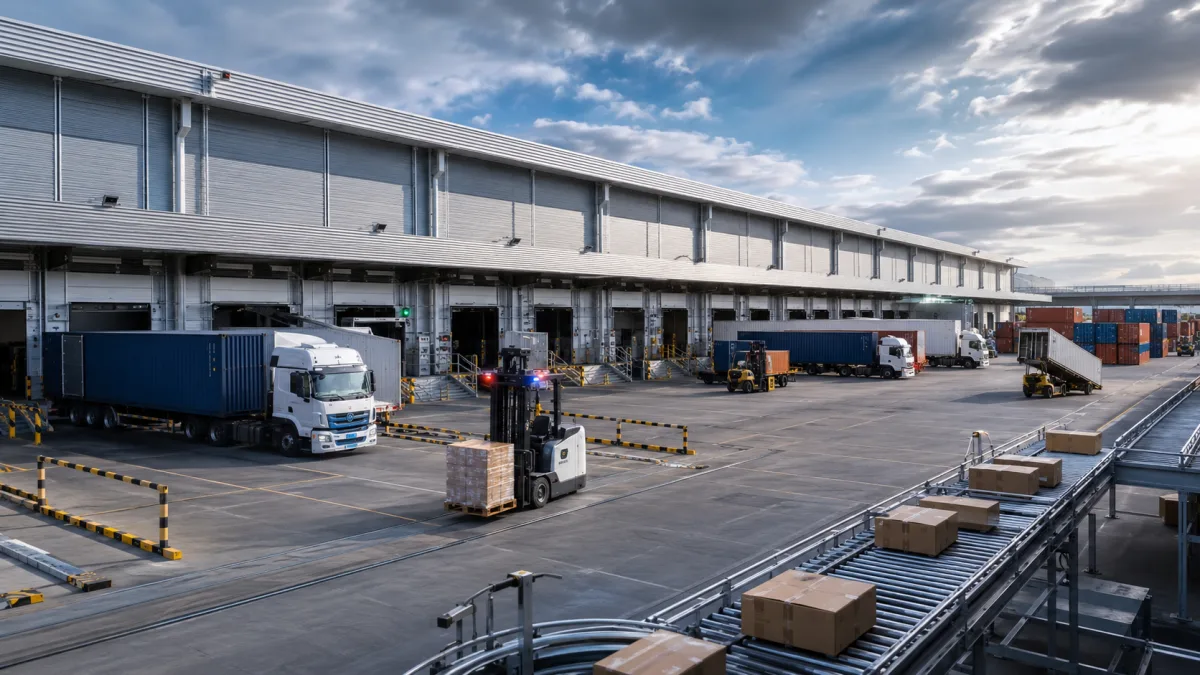
You've decided to move to Thailand for good – and now the biggest logistical question of the entire relocation looms: what do I take with me, and how does it get here? Furniture, books, your beloved tools, the kitchen you've grown used to. An international household move is not a weekend project but an undertaking spanning several months that needs to be planned well.
This article walks you through the most important decisions: your own sea container or a shared load, realistic costs and timeframes, Thailand's customs rules for household goods, prohibited items, choosing a shipping company and the question of insurance. A note up front: this is not legal, tax or customs advice. Customs rules change, and individual cases differ. Before you proceed, seek advice from your shipping company and a customs/specialist adviser, and check the official sources of Thai Customs.
Container or shared load – which solution suits you?
With sea freight there are two basic models. With FCL (Full Container Load) you rent an entire container for yourself alone. With LCL (Less than Container Load) – a shared load in a groupage container – you share the cargo space with other shippers and pay by volume (cubic metres).
- Shared load (LCL): typically worth it up to about 10–12 m³, i.e. for a small apartment or selected favourite pieces. Cheaper to start with, but 2–3 weeks slower due to the consolidating and separating of the cargo.
- 20-foot container (FCL): holds around 30–33 m³, suitable for a 1–2-room apartment. Your own cargo space, more predictable, less handling.
- 40-foot container (FCL): around 60–68 m³, intended for a complete house with 3–4 rooms.
Rule of thumb: anyone who really takes "everything" often ends up better off with their own container than with an oversized shared load. Anyone shipping only the core of their household and furnishing afresh on arrival is well served by LCL.
What does a move to Thailand really cost?
Be wary of blanket figures: the following values are guide figures from providers (quote ranges), not fixed prices. The actual final price depends on volume, collection and destination location, packing, floor levels, season and additional services. Always obtain several concrete quotes.
| Option | Volume (approx.) | Guide figure (quote range) |
|---|---|---|
| Shared load / groupage container (LCL) | up to ~15 m³ | from approx. EUR 3,500 |
| 20-foot container (FCL) | ~30 m³ | approx. EUR 6,500–9,500 |
| 40-foot container (FCL) | ~60 m³ | from approx. EUR 10,500 |
On top of this, depending on your needs: insurance, special items (e.g. piano transport), interim storage, floor-level surcharges and any customs/port costs locally. To make sure your household goods fit your budget, it helps to look at your ongoing expenses – more on this in our article on the cost of living in Pattaya.
How long does the transport take?
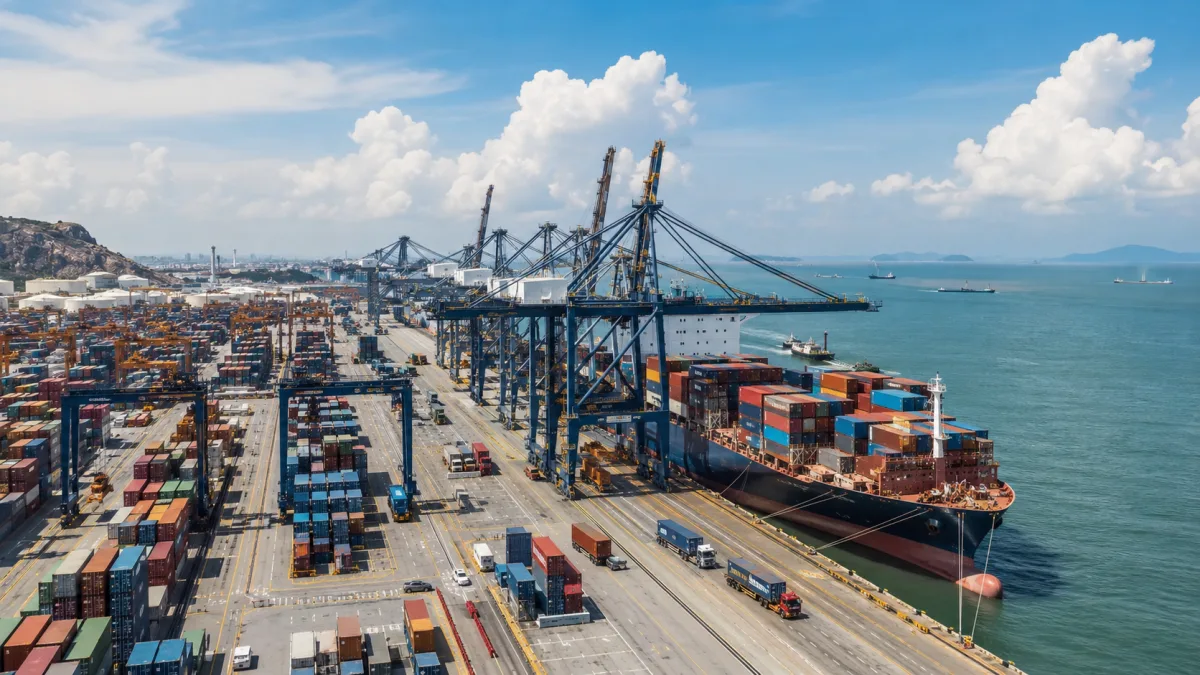
Plan generously. The pure sea voyage from Hamburg, Bremerhaven or Rotterdam to Bangkok, or to the main port of Laem Chabang, takes around 22–45 days depending on the route. Before and after this come further steps:
- Collection and packing in Germany: approx. 1–2 weeks
- Sea voyage: approx. 3–6 weeks
- Customs clearance and inland transport in Thailand: approx. 1–3 weeks
That makes a realistic 7–11 weeks from collection to delivery at your front door; heading further south (e.g. Phuket) rather 8–12 weeks. An important practical tip: pack everything you'll need in the first two to three months into your air baggage or a small air freight shipment – the container is slow.
Duty-free import of household goods – the conditions
Used household goods can be imported duty-free under Thailand's "Changing Residence" rules. "Can" is the key word here – several conditions apply, all of which must be met:
- Residence status: usually a valid long-stay visa or a status for at least one year is required (e.g. a Non-Immigrant visa with annual extension, a work permit or equivalent). Mere tourist status is generally not enough.
- Time window: the shipment must arrive in Thailand within the window of "no more than 1 month before to 6 months after" your arrival.
- Used goods: the items should belong to you and, as a rule, have been used for at least 6 months before import.
- Quantity logic: a "reasonable household quantity" applies per person, often one main appliance per category (two for families). Surplus appliances can trigger customs duty and 7% VAT.
- One-off entitlement: several sources cite one duty-free sea and one air freight shipment per person – so plan carefully what belongs in that one shipment.
Indispensable is a complete, detailed inventory list (in English, often additionally in Thai) with stated values, plus your passport with entry stamp, visa/work permit, bill of lading and proof of address in Thailand. A list that is too vague delays clearance. Since law and practice change and officers have discretion, the rule is: have the list checked in advance by your shipping company.
What you may not import
Some goods are prohibited or strictly regulated. Breaches cost money – or the goods themselves:
- E-cigarettes and vaping accessories: prohibited in Thailand, high fines possible.
- Alcohol and tobacco above the duty-free allowance: are taxed or confiscated.
- Vehicles: their own elaborate approval and tax procedures – not something you "just" put in the container on the side.
- Buddha figures and antiques: may require a permit from the Fine Arts Department.
- Pornography, counterfeits, weapons, drugs: prohibited.
A separate point for clarification: since 1 January 2026, Thailand has abolished the customs/tax exemption for low-value imports under 1,500 THB (7% VAT already applied beforehand). This mainly affects online orders and parcels from platforms such as Shopee or Lazada – not primarily the classic household move, which still falls under the Changing Residence rules. Good to know in case you reorder something after the move.
Choosing a shipping company and insuring properly
Choose a shipping company with demonstrable Thailand experience and a local partner for customs clearance – that is more valuable than the lowest price. Look for transparent quotes: what is included "door to door", and what costs extra (packing, floor levels, customs, storage)?
- Compare at least two to three detailed quotes.
- Professional packing: in the tropical climate, moisture protection counts (e.g. desiccants, sealed containers instead of cardboard).
- Insurance: a transport insurance of around 1.5–3% of the insured sum is customary. For a weeks-long sea voyage with transhipment, "all-risk" cover makes sense – photograph your household goods before packing.
Frequently asked questions
Is it worth having your own container or a shared load?
Up to about 10–12 m³, a shared load (LCL) is usually cheaper. Anyone taking a whole apartment or a house often does better with their own 20- or 40-foot container – more predictable and less handling.
How long does a container move to Thailand take?
Allow 7–11 weeks from collection in Germany to delivery at your front door, or rather 8–12 weeks heading further south. The pure sea voyage accounts for about 3–6 weeks of that.
Can I import my household goods to Thailand duty-free?
Used goods can be duty-free if you have a long-stay visa or one-year residence and the shipment arrives within no more than 1 month before to 6 months after your arrival. Tourist status is generally not enough. This is not legal advice – check the official customs requirements.
What may not go in the container?
Prohibited or strictly regulated items include e-cigarettes, alcohol/tobacco above the duty-free allowance, vehicles (special procedures), Buddha figures/antiques without a permit, as well as weapons, drugs and counterfeits.
Do I need transport insurance?
Yes, it is recommended. Around 1.5–3% of the insured sum is customary. For long sea transports with transhipment, all-risk cover makes sense, ideally with a photographic record of your belongings before packing.
Anyone moving to Thailand for good settles in – and your own home is the anchor where all this furniture and these memories find their place. This is exactly where we come in: we help you arrive, from the right property to the honest questions around settling in. If you're bringing not only your household goods but also a pet, do also read our guide on moving to Pattaya with a dog or cat. Feel free to contact us for a free initial consultation or, to get started, grab our free guide.
Free Guide
68 pages of Pattaya insider knowledge — download for free