
The monthly Common Area Fee is transparent and predictable in Thailand. What many international buyers underestimate are the utility costs - electricity, water and internet. This is where it's decided whether your condo runs cheaply or you pay a hidden mark-up for years. Unlike the management fee, these items depend heavily on your own behaviour - and on the question of who writes the bill.
This article puts the real monthly figures into perspective, explains the difference between the state tariff and the developer mark-up, and shows you how to spot a tariff trap before you sign. All figures are given as ranges - Thai tariffs change quarterly, and every building bills differently.
Electricity: the big cost driver - and the most common trap
In Pattaya, the state-owned PEA (Provincial Electricity Authority) supplies the electricity; the MEA, which is responsible for Bangkok, plays no role here, although the tariff is structured the same way nationwide. As of May-August 2026, the average household tariff is around 3.95 THB/kWh (base rate 3.78 + fuel surcharge "Ft" 0.1623). Add 7% VAT and you effectively land at about 4.2 THB/kWh. Households with very low consumption benefit from a cheaper tiered tariff.
The main driver is the air conditioning. A modern 12,000 BTU unit running 10-12 hours overnight at 26 degrees adds up to around 1,000-1,800 THB per month. Anyone cooling a single bedroom and being economical stays below that; anyone running several units throughout the day comes in well above it.
The real trap, however, is not consumption but the tariff: many older buildings, serviced apartments and some management companies hold a master meter and bill internally - often at 6-8 THB/kWh, and in serviced apartments even 8-10 THB. That's almost double the state rate. Since 2018 the rule has been: anyone renting out three or more units may not charge for electricity above the official tariff; at the end of 2025, enforcement by the consumer protection authority was tightened. In practice, some buildings still pocket the mark-up - here the only thing that helps is to ask.
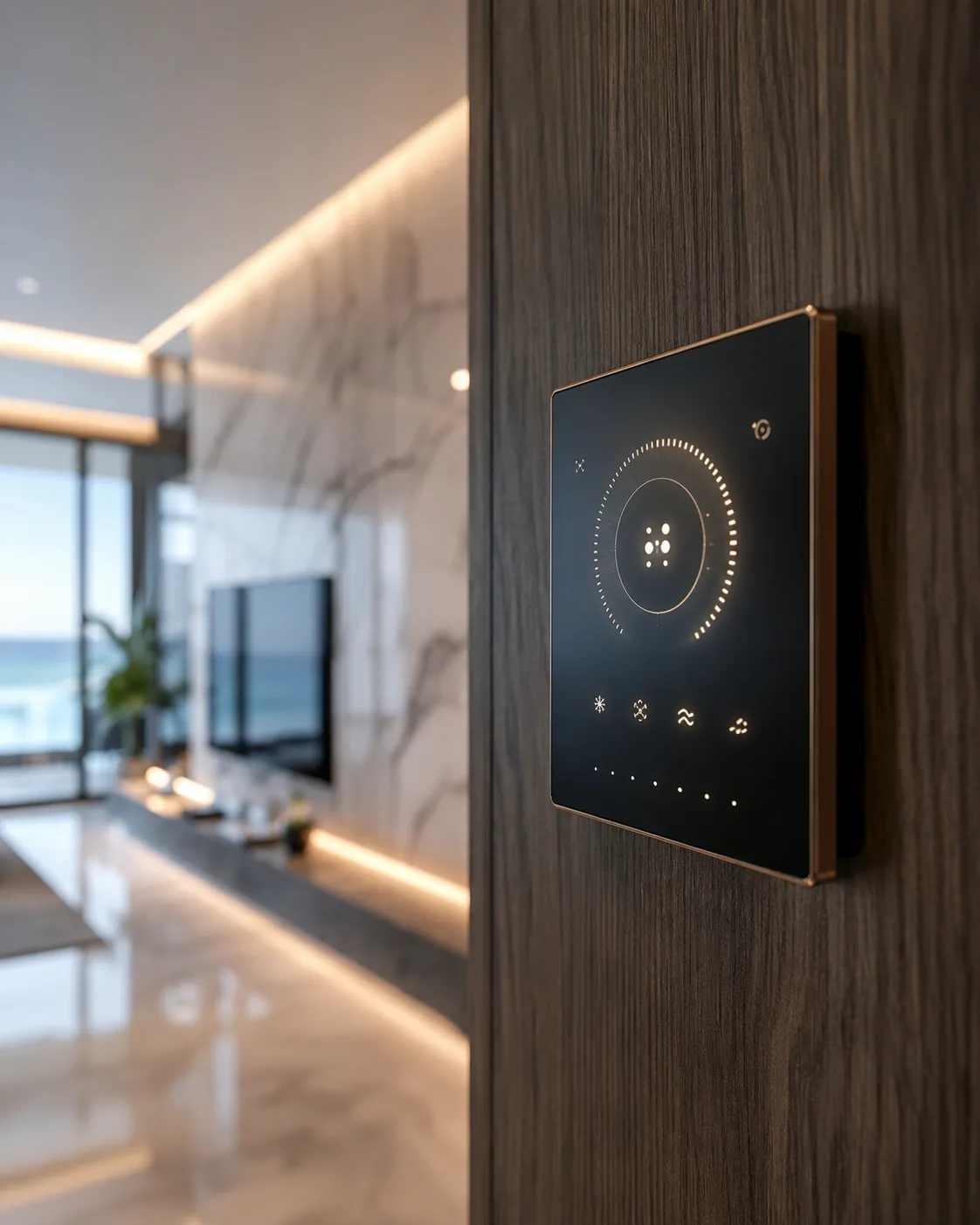
What you really pay per month - by household size
The table below shows realistic ranges for condos in Pattaya at the state tariff. With a developer mark-up, multiply the electricity figure by roughly 1.5 to 2.
| Household | Electricity/month | Water/month | Internet/month |
|---|---|---|---|
| Single, studio, economical | 800-1,500 THB | 100-250 THB | 600-800 THB |
| Couple, 1-bedroom, AC overnight | 1,500-3,000 THB | 200-400 THB | 700-900 THB |
| Family, 2-bedroom, AC a lot | 3,000-5,000 THB | 300-500 THB | 800-1,000 THB |
The upper electricity figures apply above all in the hot season (March-May), when the air conditioning barely ever switches off. If you're planning ahead, it's best to estimate using the upper end of the range.
Water: low, but often with a flat-rate trick
Water is the smallest item in Pattaya. It's supplied by the state-owned PWA (Provincial Waterworks Authority); typical condo bills are around 100-500 THB per month. Here too, some buildings resell the water via their own meter and add a charge per cubic metre or require a minimum flat fee - given the small amounts this rarely matters much, but it should be transparent.
Internet: usually cheap, but tied to the building
Fibre is well developed in Pattaya. Standard market rates in 2026:
- AIS Fibre 500/500 Mbit/s: approx. 799 THB/month, router usually included
- True Online 500/200 Mbit/s: approx. 699 THB/month
- 3BB: available depending on location (e.g. Na Jomtien), at a similar price level
The catch: many condos are pre-wired for just one provider. In that case you effectively have no choice - and no price pressure. Before you buy, ask which providers are wired into the building. Your own contract in your name is almost always cheaper and more transparent than a management "Wi-Fi package".
How to spot a tariff trap
- Own meter vs. state meter: Ask whether electricity and water are billed directly by PEA/PWA or through the building. A direct connection = state tariff.
- Ask for the kWh price: If it's around 4-4.5 THB, everything is fine. 6 THB or more is a clear mark-up.
- Management Wi-Fi package: sounds convenient, but is often more expensive and slower than your own fibre contract.
- Review old bills: Ask to see the last two or three utility bills for the unit - that exposes any mark-up immediately.
Note: This is not legal or tax advice. Tariffs and regulations change; before making a decision, check with the official authorities (PEA, PWA) or a specialist adviser.
Frequently asked questions
How high is the state electricity price in Pattaya in 2026?
The average household tariff from the PEA is around 3.95 THB/kWh as of May-August 2026; with 7% VAT, effectively about 4.2 THB/kWh. The Ft surcharge is adjusted quarterly.
Why do some residents pay 7 or 8 THB per kWh?
Because the building has a master meter and bills internally - with a mark-up. For buildings with three or more rented units, a tariff above the state price has been prohibited since 2018, but this is not observed everywhere.
What does air conditioning cost per month?
A 12,000 BTU unit running 10-12 hours overnight costs around 1,000-1,800 THB/month at the state tariff. Inverter units and setting 26 degrees instead of 22 significantly reduce consumption.
Can I freely choose my internet provider in a condo?
Only if the building is wired for several providers. Many condos have just one provider. Clarify this before you buy - your own contract is usually cheaper than management Wi-Fi.
How high are the total utility costs per month?
For a one-bedroom condo with normal AC use, realistically around 2,400-4,700 THB for electricity, water and internet combined - more accordingly if there's a developer mark-up.
This is exactly where there's an often-overlooked advantage of modern off-plan projects: many new buildings are planned with a direct PEA and PWA connection per unit - which eliminates the expensive developer electricity price from the outset. That's not a promise for every project, but a concrete quality criterion well worth asking about. To see how utility costs fit into the bigger picture, read our articles on the running costs (Common Area Fee & Sinking Fund) and the monthly budget for international expats. If you'd like to know which projects offer a clean direct connection, do get in touch - a free initial consultation clarifies this quickly, and our free guide sums up the key points for your condo purchase.
Free Guide
68 pages of Pattaya insider knowledge — download for free